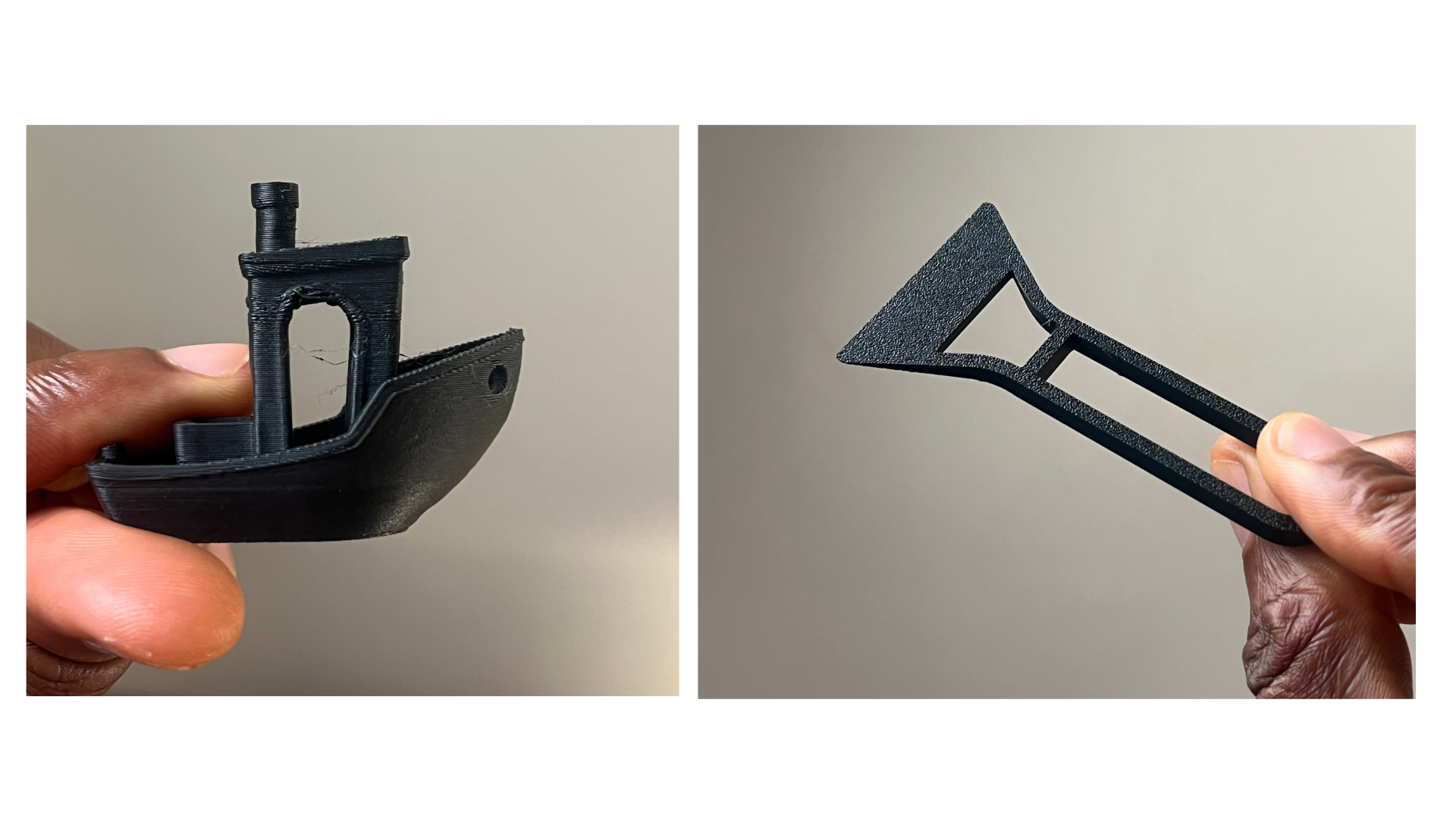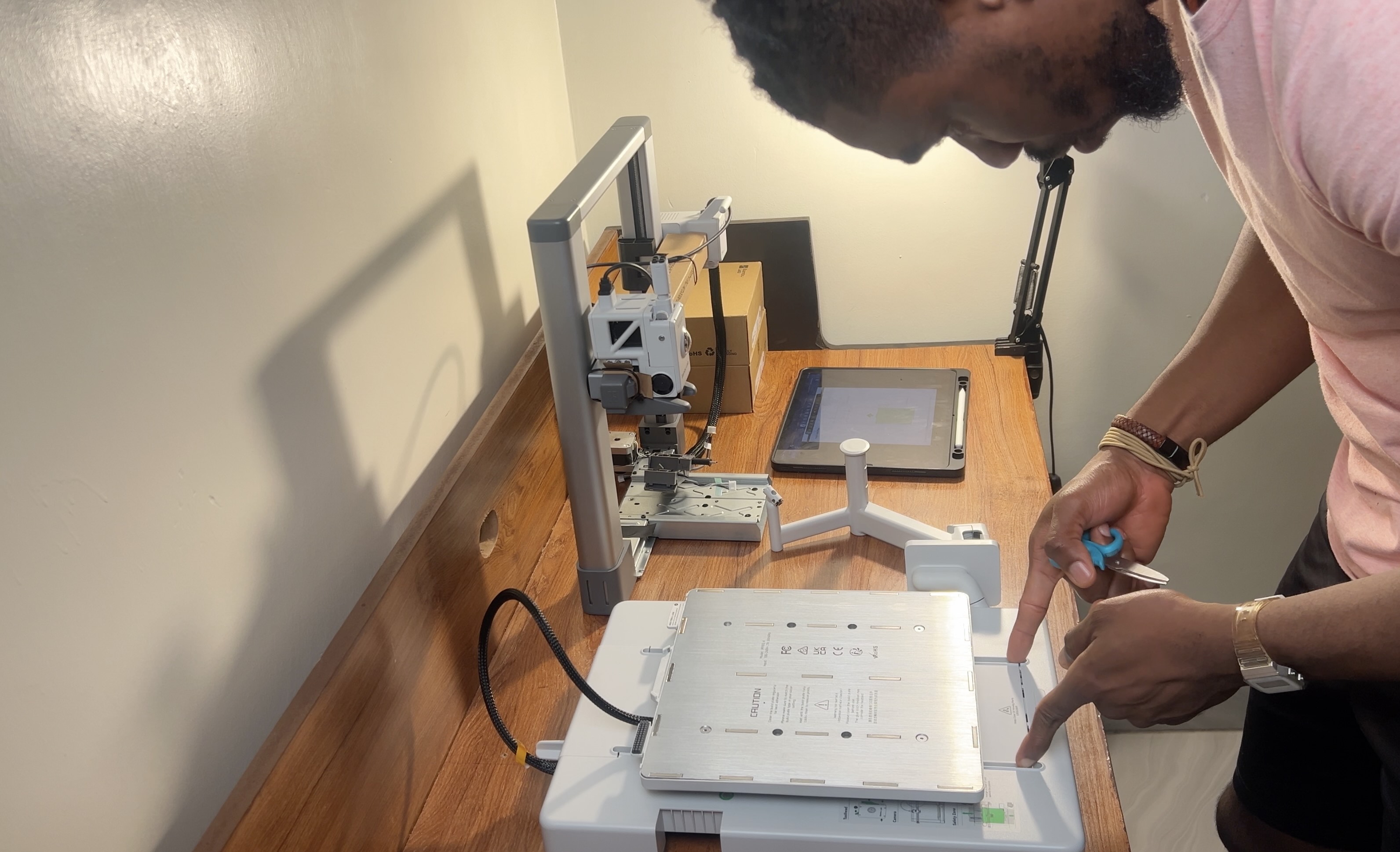
I’ve worked with 3D printers before. My first real job after engineering school was as a hardware designer for an electric power company. That’s where I got my hands on a 3D printer for the first time, designing enclosures for circuit boards, modeling them in SolidWorks, and watching them come to life layer by layer.
It was functional work. Practical. I wasn’t thinking about what 3D printing could become. I was just solving problems on a deadline. But that experience planted something.
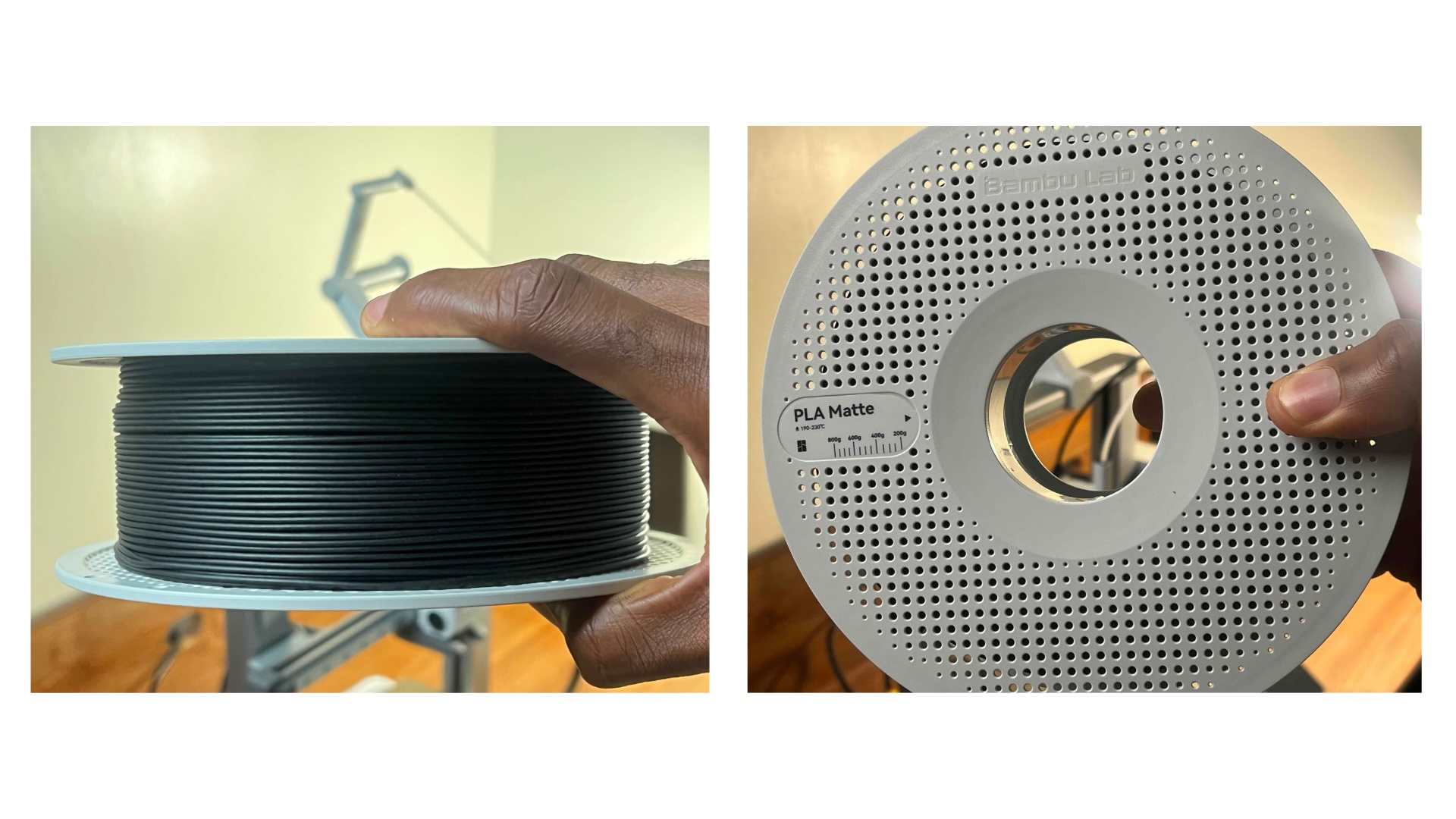
Fast forward to last year. I was in Japan, and I came across 3D printers in a way I hadn’t expected. It wasn’t in a factory or an engineering lab. It was in everyday spaces. Something shifted in how I saw the technology. It wasn’t just an industrial tool anymore. It was creative. It was personal. It was accessible in a way it hadn’t been before.
That trip didn’t make me run out and buy a printer. But it made me pay attention again.
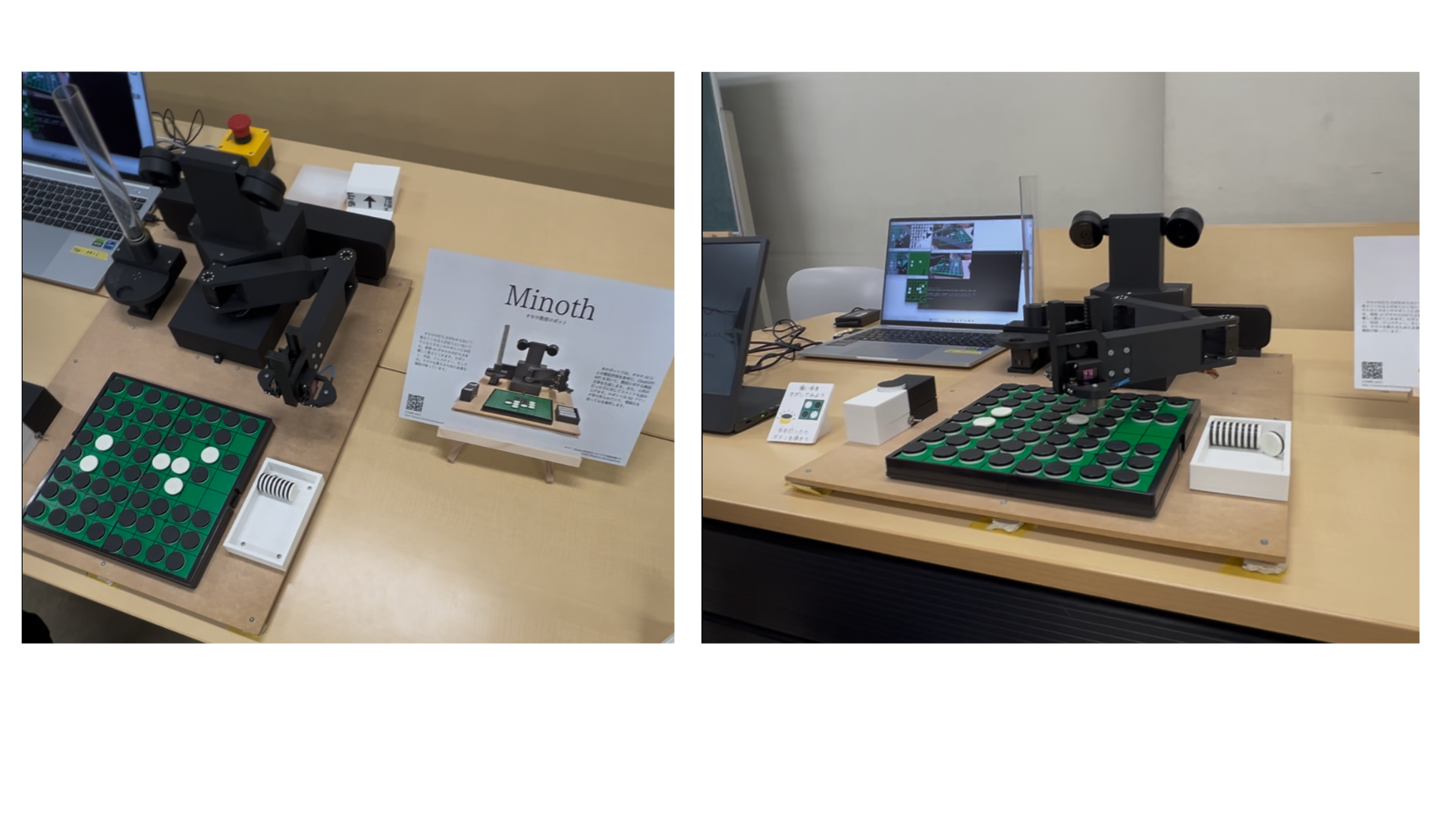
Not long after, I attended a science exhibition at the University of Jacksonville. One of the exhibitors had built a robot, and every part of it was 3D printed. I started asking questions. What printer did he use? How long did it take? What material?
He told me he used a Bambu Lab A1 Mini. When I looked at the printed parts up close, I was struck by how clean they were. How precise. The layer lines were barely visible. The tolerances were tight.
Then he said something that stuck with me: the technology has improved dramatically in the last few years. Things are more stable, more reliable, more repeatable now than they were even five or six years ago.
That hit me. The last time I’d used a 3D printer was probably six or seven years earlier. The machines I remembered were slower, fussier, less forgiving. What I was looking at now was something different entirely. Something worth exploring again.
Here’s the other thing that’s pulling me back in. I’ve been designing in CAD for years. SolidWorks professionally, and now I’m getting back into Fusion 360. I know the tools. I know parametric modeling. I understand design for manufacturing.
But what excites me right now is what’s happening at the intersection of AI and design. Autodesk recently integrated with Anthropic’s AI, which means you can describe what you need in plain language and have AI help you explore design possibilities faster than ever before.
This isn’t about replacing CAD knowledge. It’s about amplifying it. When you already understand constraints, tolerances, and material properties, AI becomes a collaborator, not a crutch. I want to see what’s actually possible when you combine years of design experience with these new AI-powered tools.
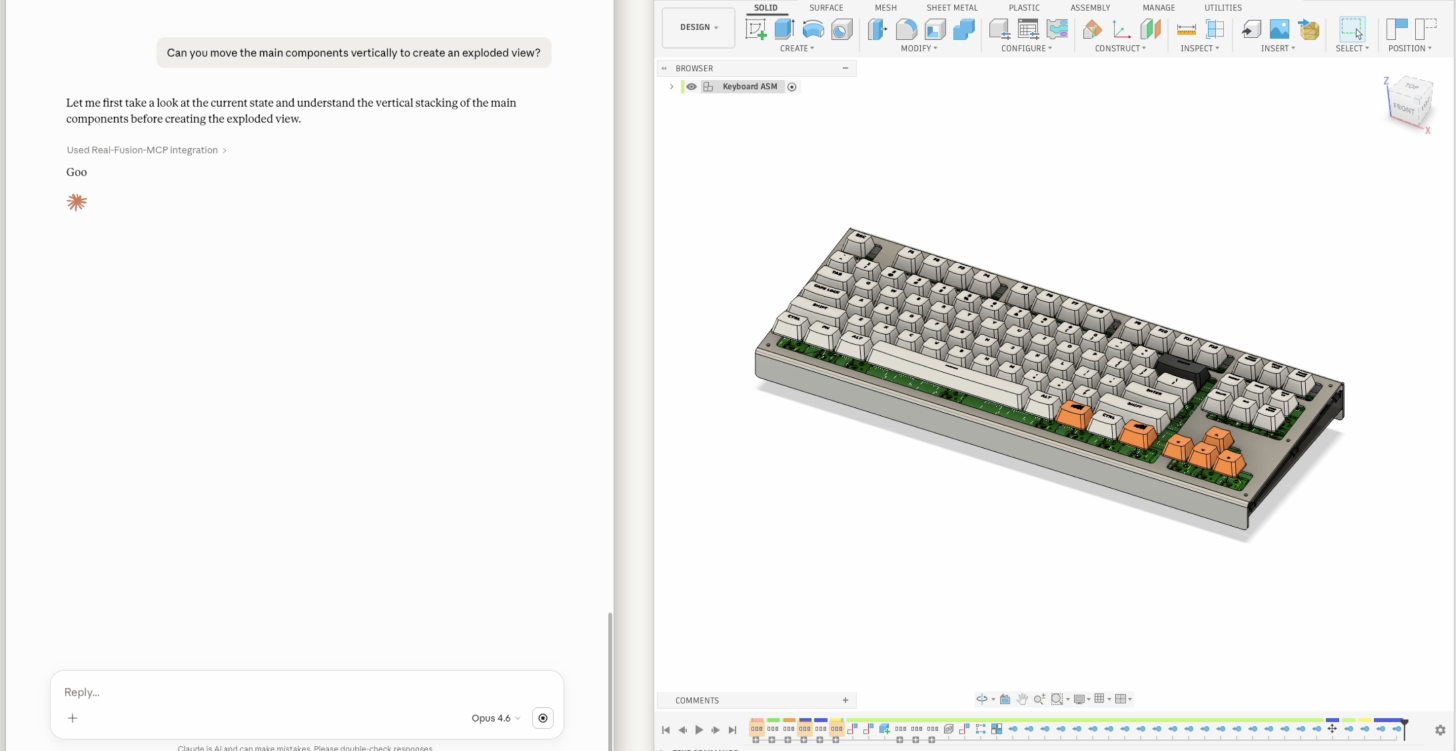
So here’s what I’m doing next.
For the next 30 days, I’m printing 30 things. Functional stuff, toys, decorations, whatever comes to mind. The goal isn’t to prove something or check boxes. It’s to explore. To see what this printer can do, what’s possible, what works and what doesn’t.
I’m curious what resonates with people. What problems around the house can a 3D printer solve? What designs get people excited? What’s actually useful versus what just looks good on a shelf?
Because this isn’t just about printing. It’s about understanding what comes next.
Stick around and let’s figure this out together.